after the myth of Ariadne & Theseus

Nothing in you is domesticated were your first words when I knew
you saw me clear, a woman standing with her skein
spooled tight, a labor gathered and unspent. I know just enough
of myth to make it mean, the long lines we lift out
so we might find our path back in. Whatever else she learns, the man
that she unravels through the cave is not the same one
she spins back. What he keeps of her is only what he makes himself:
a stage play with an exit door. A scene.

                                    And she of him keeps only what she gleans,
a measured coil of days unraveling like a milky thread. Not
a revel but the raving of a plate licked clean,
a lavished glass, a backwards glance at every coin spilt, spent
on leaving. Not a fable burnished, finished,
but a woman ravaged, reeling.
We peeled ours fast. I told you
there’s a way to keep yourself
from weeping when you slice it.

You sent me a theology of onions,
a well-loved chapter made me
cry. Apparently the trick

to stave off tears is put it
in the freezer first to slow
the watery blood, that patient ice

delays the stinging juices
ripening when they meet
the air. It gives you time

enough to cut it clean.
The ripe pear ruddies just a bit
more green before it’s split
into its halves, what was once

one thing, severed.
The winter trees, you say,
are brave to simply stand

there, seen. Between any
two things, possibility
of bridges burnt, or built.

What is it to fracture,
what to cleave?
Jen Grace Stewart is the author of Madonna, Complex (Cascade Books Poiema Poetry Series 2020). Her poems have been published in North American Review, AGNI, Colorado Review, Beloit Poetry Journal, Western Humanities Review and elsewhere. A native of Colorado, she is an Assistant Teaching Professor in the Program for Writing and Rhetoric at the University of Colorado, Boulder.
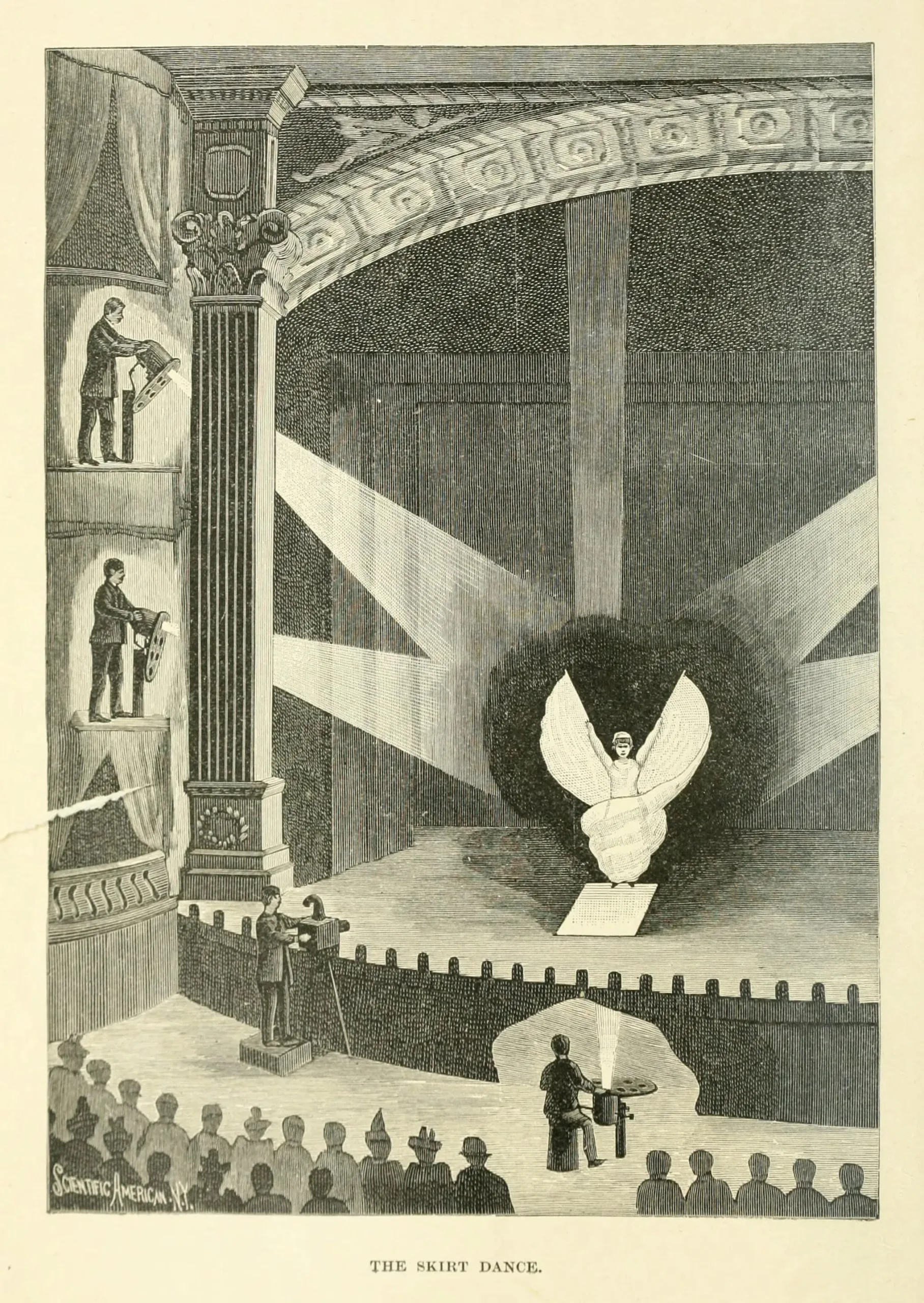
Albert A. Hopkins, Magic: Stage Illusions and Scientific Diversions, Including Trick Photography (London: Sampson Low, Marston and Company, 1897). Among the 550 pages of this encyclopedic history of magic, we find tricks that might be familiar to modern-day audiences: conjuring tricks (“The Disappearing Lady”, “The Appearing Lady”, “Decapitation”); optical tricks such as the infinity mirror or “mystic maze”; so-called “theater secrets” (“Siegfried’s Anvil”, “The Skirt Dance”); ventriloquism; and tips for eating fire. More unexpected are performances from the annals of illusion, such as the extended section on chapeaugraphy (the manipulation of hats). See https://publicdomainreview.org/collection/magic-stage-illusions-and-scientific-diversions-including-trick-photography-1897/