her history ends in a field
of bluebonnets and indian

paintbrush, ruby red studded blue.
grandma lay in the flowers

her straw hat banded in raspberry
like dirt before it becomes a grave.

in the photo, her sudden belief
that a god governed texas

bled through polaroid gloss.
love in colors that only exist

on planes diverging
filled the basket next to her.

this was her final trip across
counties firmed by oil-soaked

soil and native blood.
i spent my absent summers

turning the dial on her black-
and-white television set.

i grew jalapenos with grandpa
whenever they could afford

a home with room to garden.
and tea was brewed in mason

jars left on the sidewalk
boiling in the dust-baked sun.

in october just before she died
my father and his wife gathered

on her porch with their new baby.
when they did not let her hold

the infant granddaughter, she pushed
my stepmom from the porch.

some nights i remember that act
of resistance and the way

it inspired me to push back
your history begins on a tuesday
mid-august afternoon and ceases
on a friday, late evening
when, as a child, you obsessed
over the facts of your birth
curious about the circumstances.
far more interesting, you couldn’t understand,
was why your father, the football player,
married your mother under duress.
there’s a photograph that instigates
this question, where your father
pales in his glaring sweat.
your mother, barely visible in white frills
metaphor of a shotgun camouflaged
in the wood-patterned panel of your grandmother’s
trailer a brief fear visible in both their eyes
or perhaps they’re drunk with foresight
of the violence that’s to come.
pregnant in the west texas heat, she carried
you to term, abortion surely the better option,
something she continues to hold against you
and you against her.
the kitchen is a safe space
            so long as you never spill the salt
just sugar and graham cracker crumb

eat dahi-shakkar before a needed win
            crush the eggshell after
even if the yolk signifies twins

a long life means never cutting noodles
            and check your teas for undissolved sugar
or is it don’t add the milk first?

drop a fork—a woman will visit
            a knife—a man (much more frightening)
a spoon—somebody’s kid might wander in

planting parsley leads to childbirth
            hot peppers to heart break
and a stage performer will always slip on a nut

black-eyed peas at the new year
            or is it marzipan pigs
no, tamales in an old friend’s home

never slice a banana
            or place chopsticks upright
or hand a friend a knife

i used to never believe in any of this
            until the year my mother
aiming for my head

                         taught me toasters can fly
evening darkness blurred
around fringes
                        defying a willful amnesia

when
my father’s beeper
goes off, the steady
red light, the buzz
of electric currents
like synapses
                        seeking
out the recesses
of happy memory
with
            a searchlight.

the Whataburger downtown
                                             burns,
kitchen grease turned to smoke
and scare,
                        a texan emergency
if there ever was one.

this moment, buried
between beatings taught
me to respect my father,
the firefighter,
the paramedic,
for the hero he was
                                    to other people.

and that night, silence vibrating
in the chasm left by his absence
we know he’ll return
                                    despite
my mother’s feigned look
                                                of worry.

there is another time,
week before thanksgiving,
when he is called away
in the middle
                        of the night
to unbury
college kids in the Texas
                              bonfire collapse.

we see him in the morning
on tv
explaining the process
for rescuing survivors

and at school
i ask my classmates
if they’ve seen
                                    him too.

we wait all day
to hear from him
to know what
                      happened

how a log tower
bundled by thin
wire could have
possibly
                fallen.

when he does come home
               close to midnight
I am staring into the clouded
                                              space of darkness
floating just above the spinning blades
of the ceiling
                                    fan waiting
for his family
                        celebrity
to wane


and for his
            anger

                                    to erupt.
Clayton Bradshaw-Mittal (they/them) is a queer, previously unhoused veteran, MASS MoCA Fellow, and alum of the Vermont Studio Center and Tin House Winter Workshop. Winner of the Plaza Short Story Prize, their creative work can be found in Story, The Masters Review, Fairy Tale Review, F(r)iction, Hole in the Head Review, South Carolina Review, and elsewhere. Other writing appears in The Rumpus, Barrelhouse, and additional journals. They teach creative writing at Gannon University and are the Managing Editor of New Ohio Review and “No Place is Foreign” editor at Another Chicago Magazine.
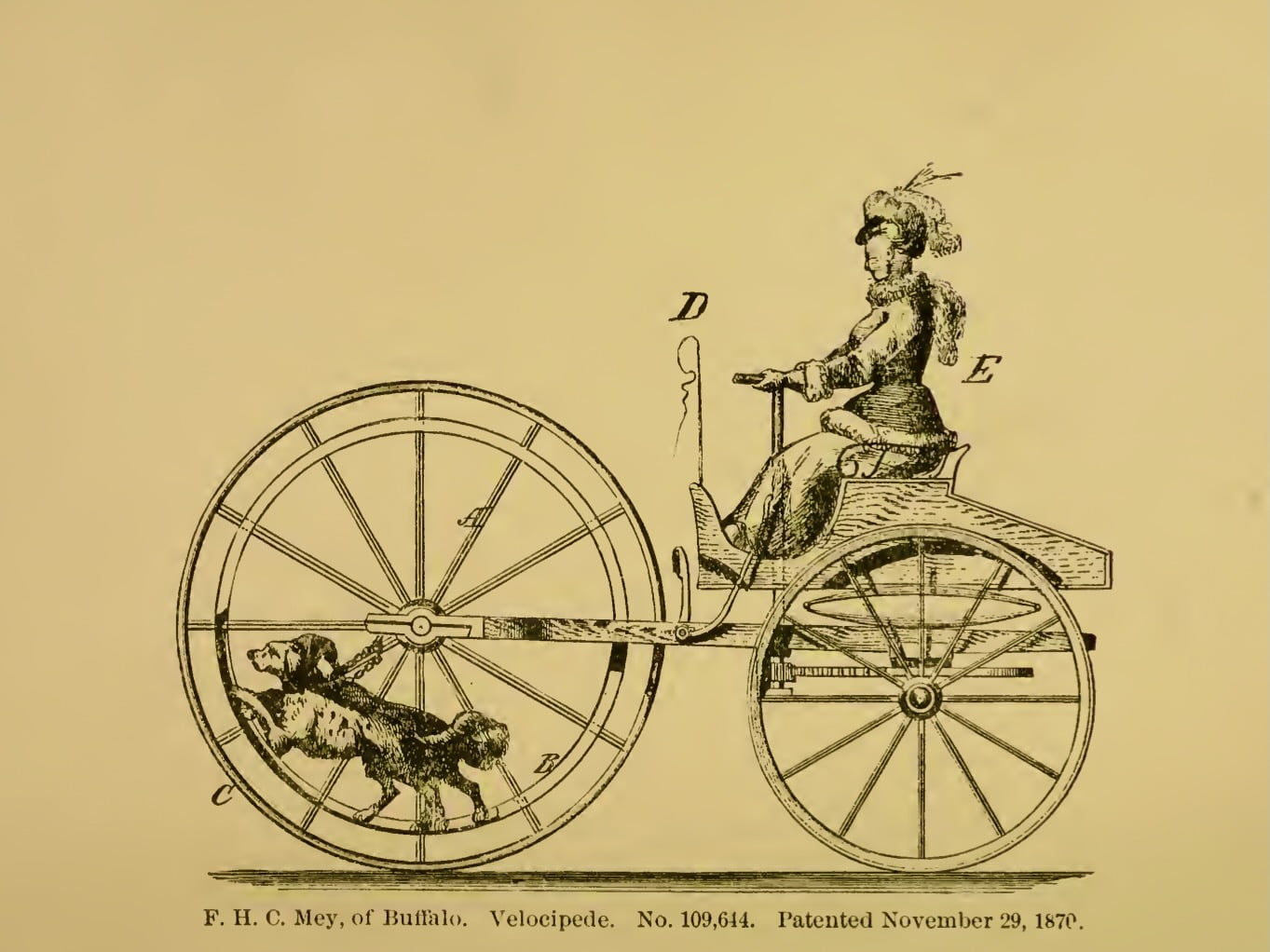
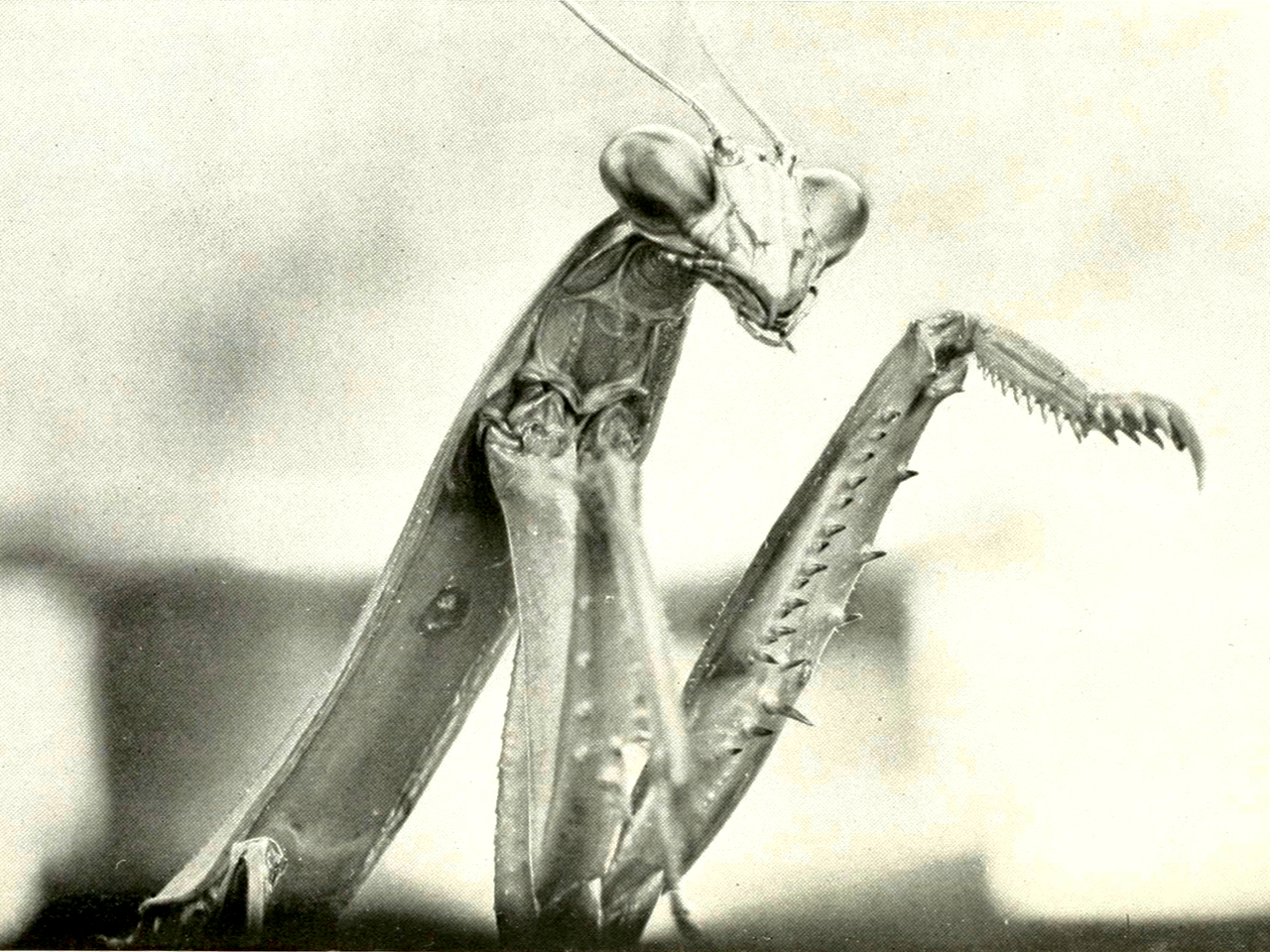
Images from David and Marian Fairchild’s Book of Monsters (1914.) [via The Public Domain Review, https://publicdomainreview.org/collection/book-of-monsters/}